
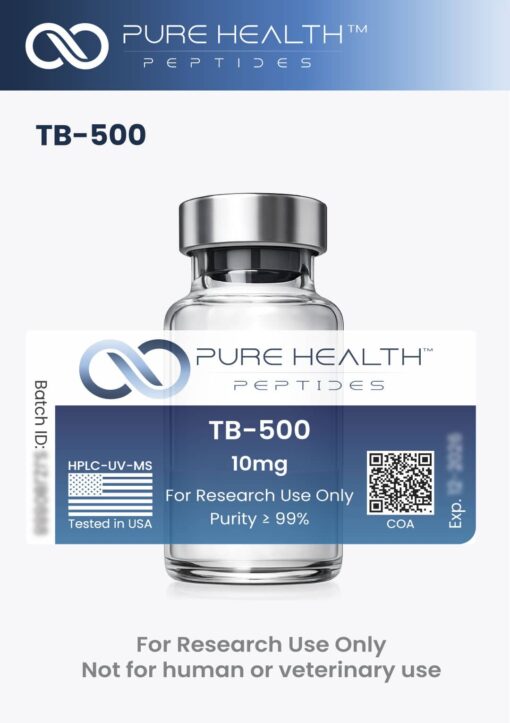
TB-500 (Thymosin Beta-4) Peptide – Premium Research Compound Overview
TB-500, also known as Thymosin Beta-4 fragment, is one of the most talked-about peptides in the modern research and wellness community. Known for its powerful regenerative interest profile, TB-500 has gained significant attention in laboratory and experimental settings focused on recovery, tissue repair pathways, and cellular support mechanisms.
This premium-grade research peptide is widely studied for its potential role in promoting natural recovery processes within muscle, tendon, and soft tissue models. While not approved for medical use in many regions, TB-500 continues to attract strong interest from researchers exploring advanced peptide science and regenerative biology.
What Makes TB-500 So Popular in Research?
TB-500 is derived from a naturally occurring protein found in nearly all human and animal cells. Its primary research focus centers around actin regulation—a key component in cellular structure and movement. Because of this, it is frequently examined in studies related to:
- Tissue regeneration pathways
- Cellular migration and repair mechanisms
- Flexibility and mobility-related recovery models
- Inflammation response modulation in research environments
The growing popularity of TB-500 in the peptide research field is driven by its potential to support complex biological processes that are essential for recovery and performance optimization studies.
“Pure Health Peptide” Quality Focus
When discussing high-quality peptide research materials, purity, consistency, and proper handling are essential. The keyword Pure health peptide is often associated with premium-grade standards in the research community, emphasizing:
- High-purity synthesis practices
- Reliable laboratory-grade formulation
- Consistent batch quality control
- Research compliance labeling and handling protocols
These factors are crucial for ensuring reproducible results in controlled laboratory environments.
Research Applications and Scientific Interest
TB-500 continues to be studied in experimental frameworks involving:
- Soft tissue repair models
- Muscle recovery simulations
- Connective tissue regeneration research
- Cellular growth and migration behavior analysis
Researchers are particularly interested in how TB-500 interacts with actin pathways, potentially influencing how cells move and repair damaged structures in controlled settings.
It is important to note that TB-500 is intended strictly for research purposes only and is not approved for human or veterinary therapeutic use in many jurisdictions. Any handling or study should be conducted in accordance with applicable laws and laboratory standards.
Availability and Market Considerations
In the research peptide market, TB-500 availability can vary significantly depending on regional regulations and supplier compliance standards. Buyers and researchers typically prioritize:
- Verified laboratory testing data (COA reports)
- Transparent sourcing and manufacturing practices
- Clear labeling for research-only use
- Proper storage and shipping conditions
Due to the sensitive regulatory status of peptides like TB-500 in certain regions, it is essential to ensure that any procurement aligns with local laws and research compliance requirements.
Why TB-500 Continues to Gain Attention
The continued rise in interest around TB-500 is driven by its reputation as a powerful and promising compound in peptide science. Researchers value its potential role in:
- Accelerating recovery pathway studies
- Supporting advanced regenerative research models
- Expanding understanding of cellular repair mechanisms
This makes TB-500 a standout compound in the evolving field of peptide-based scientific exploration.
Responsible Research Use
TB-500 should only be handled by qualified individuals in controlled environments. Proper safety procedures, documentation, and regulatory awareness are essential. The compound is not intended for self-administration or casual use.
| Quantity | 5MG, 10MG |
|---|
Be the first to review “TB-500”
Related products
Vials
Vials
Vials
Vials
Vials
Reviews
There are no reviews yet.